

Owning a home comes with a variety of duties, and one of the most critical aspects is ensuring that your ceiling is in proper condition. Whether you're facing small repairs or contemplating a full roof replacement, grasping the details of hiring a roofing professional is crucial. With so many choices available, it can be overwhelming to know whom to trust with such an significant investment. This article seeks to prepare homeowners with the insight needed to maneuver the roofing landscape confidently.
From confirming a roofer's license to detecting caution signals that could suggest a dubious contractor, we will cover important considerations every homeowner should think about before signing on the agreement. You'll discover about the significance of detailed roofing estimates, how to spot predatory storm chasers, and the queries you should ask potential roofers to ensure you're making an informed decision. By the end of this guide, you'll be well prepared to protect your home and investment when it comes to roof repairs or roof replacement.
Checking Roofing Contractor Qualifications
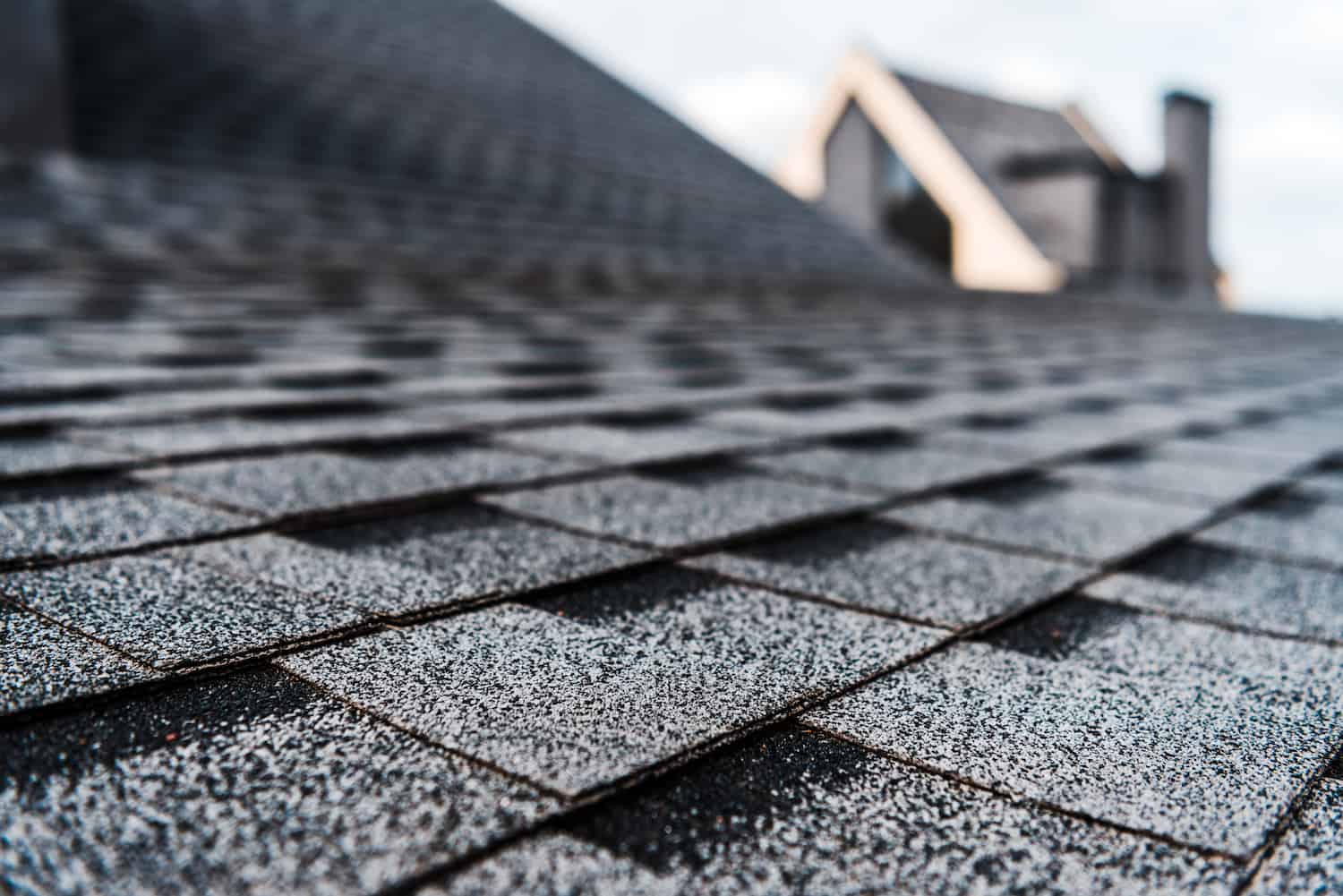
Before employing a roofing contractor, it is essential to confirm their credentials to make sure you are working with a qualified professional. Start, by confirming if the roofer has a valid license. Roof Repairs Bristol expect roofing contractors to be licensed, and this guarantees they have fulfilled specific standards and established practices. You can usually check a roofer's license online using your state’s licensing board. Avoid enter into any contracts until you have checked their licensing status.
Along with their license, ensure to check if the roofing contractor is sufficiently protected. This means having both liability insurance and workers’ compensation coverage. Liability insurance guards you from damages that may occur to your property during the roofing project, while workers’ compensation ensures that workers are covered in case of an incident on the job. Ask for proof of insurance and verify it with the insurer to avoid potential legal and financial complications.
Additionally crucial element of confirming a roofing contractor's qualifications is evaluating their background and standing in the field. This can include reviewing digital reviews, evaluating their BBB ratings, and asking for references from former clients. A trustworthy roofer should have a history of positive feedback and be ready to provide you with examples of their work. Following these steps will aid you find a capable roofing contractor who can be trusted to complete your roofing project successfully.
Understanding Rooftop Quotes
When reviewing roofing quotes, it's important to understand what a legitimate quote should include to prevent any surprises later down the line. A thorough quote will explicitly define the scope of the project, including materials, labor expenses, and any potential extra expenses. Be on the lookout for distinct categories of supplies, their manufacturers, and quantities, as this data can help you contrast different estimates efficiently. Additionally, be cautious of estimates that are missing clear details or appear vague, as these may point to hidden expenses or a lack of expertise.
Another crucial aspect to take into account is the cost structure. Though it might be tempting to select the cheapest offer, remember that this strategy can frequently lead to compromised standards or inadequate service. A balanced estimate should offer a blend of cost, quality, and service, evaluating the benefits of every offer holistically. Consider the future worth rather than just the initial cost, and don’t hesitate to ask questions inconsistencies in the prices among the different offers.
Ultimately, pay care to any caveats or small print in the estimates. These can disclose important information about guarantees, timelines, and financial structures. Ensure to verify that your quote covers details about licenses and inspections, as well as any assurances offered on labor and supplies. Understanding these components will assist make certain that you choose the right roofer and avoid potential pitfalls that could result in extra costs or substandard results.
Engaging and Managing Your Roofer
When hiring a roofing contractor, it's important to start with comprehensive investigation. Confirm a contractor's license before you sign anything to confirm they are legally qualified to do the work. This typically requires consulting with your local licensing board. Additionally, knowing what a reputable roofing estimate should always include, such as detailed work and material costs, helps eliminate issues down the line. Ask for references and get multiple quotes to evaluate, remembering that the cheapest bid is not often the best deal.
Once you've chosen a roofing contractor, open dialogue is vital. Make sure to pose the seven critical questions to address any issues you may have. Talk about the timeline for the project and how long it should take, distinguishing what is normal from possible red flags. It's also smart to get written confirmation on key information, ensuring you do not hire a contractor without the required documentation. This strengthens responsibility and sets clear expectations.
As the job advances, supervise the work closely. Watch for signs of substandard roofing work, and feel free to express any issues. Acquainting yourself with what to check for when a roofing project is finished will help you assess whether the work meets your standards. Note that if your contractor were to cease operations mid-job, having the proper documentation can minimize issues. By being vigilant in managing your contractor, you can help ensure a more seamless experience and a top covering that protects your property well.